Harringay Ladder House Removals Narrow Street Access Tips
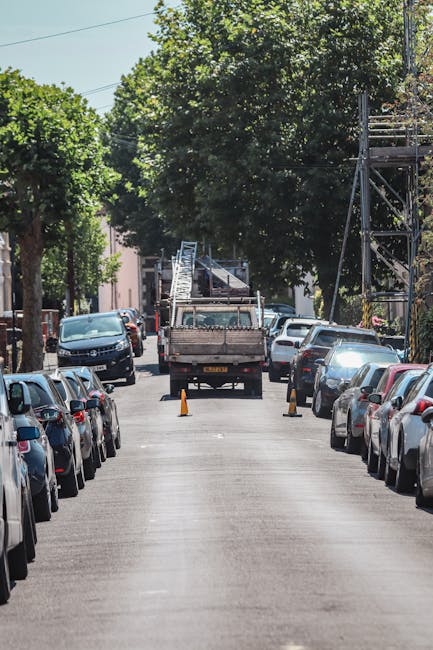
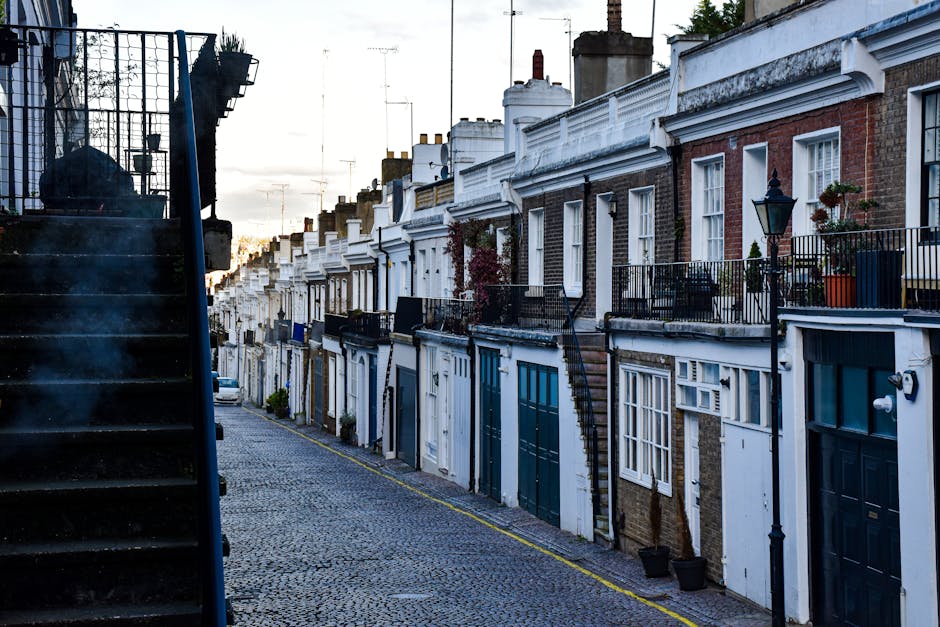
Moving house in the Harringay Ladder can be a little awkward at the best of times. The streets are famously narrow, parking can be tight, and a perfectly normal removal day can suddenly feel like a game of Tetris with a van, a sofa, and three neighbours trying to squeeze past. If you are looking for Harringay Ladder house removals narrow street access tips, you probably want the practical stuff: how to plan the access, how to avoid delays, and how to keep the move calm instead of chaotic.
That is exactly what this guide covers. We will walk through the realities of moving in the Ladder, explain why access planning matters, and share the steps that make a small-street move much easier. You will also find a checklist, a comparison table, and a realistic example from a typical local move. No fluff. Just the kind of advice that actually helps on moving day, when the kettle is packed away and the last box somehow always weighs more than it should.
Table of Contents
- Why narrow street access matters in the Harringay Ladder
- How house removals work on tight residential streets
- Key benefits of planning access properly
- Who this guide is for
- Step-by-step moving guidance
- Expert tips that save time and stress
- Common mistakes to avoid
- Tools, resources and useful service links
- Law, compliance and best practice
- Options and comparison table
- Real-world example
- Practical checklist
- Conclusion
- Frequently asked questions
Why Harringay Ladder house removals narrow street access tips Matters
The Harringay Ladder is a lovely place to live, but its charm comes with a moving-day catch: the roads were not designed for today's large vehicles, multiple parked cars, and full-house removals all at once. If you arrive with the wrong vehicle, no parking plan, and a lot of optimism, you can lose time before the first box is even lifted.
That is why access tips matter. In practical terms, narrow street planning helps you:
- reduce delays while the crew waits for a loading spot
- avoid unnecessary carrying distance from van to front door
- protect furniture from bumps, scrapes, and awkward turns
- keep neighbours happier by avoiding blocked driveways and messy stand-offs
- make the whole move feel more organised, less frantic
In our experience, the move itself is rarely the problem. It is the access. A solid plan for street position, entry route, and loading order can turn a stressful morning into something that feels manageable. Not effortless, let's be honest, but manageable.
If you are still comparing move types, the wider house removals in Harringay service page is a useful place to start, especially if you want to understand how a local move is usually organised.
How Harringay Ladder house removals narrow street access tips Works
Think of a narrow-street move as a three-part puzzle: the vehicle, the parking position, and the carrying route. If one part is off, everything else slows down. A good removals plan looks at the street before the move, not just on the day.
Here is the basic flow:
- Assess the street width and turning space. A small street can still be awkward for long wheelbases, especially where cars are already parked on both sides.
- Choose the right vehicle size. Bigger is not always better. A more compact van can sometimes save time if it can reach your door more easily.
- Plan the loading point. Ideally, the van sits close enough to avoid long carrying distances but not so close that it blocks the whole road.
- Prepare the property. Boxes are stacked safely, hallways are clear, and the route from front room to front door is ready.
- Work in a sensible order. Heavy, bulky, or awkward items are moved first while the crew is fresh and the access is clean.
On the Ladder, timing matters too. Morning and late afternoon can feel busier, and if residents are already parked up, the available space may disappear in minutes. Truth be told, the difference between a smooth move and a frustrating one is often just a decent plan and a little local awareness.
If your move needs a smaller, more nimble setup, have a look at the man and van in Harringay option. It is often the right fit when the street is tighter than ideal.
Key Benefits and Practical Advantages
Good access planning does more than keep the schedule on track. It changes the whole tone of the move.
1. Less handling, less damage risk. Every extra trip from door to van means another chance for a box to split or a table leg to knock the wall. Shorter carrying distances really do help.
2. Faster loading and unloading. That sounds obvious, but in a street where the van cannot sit close to the house, time gets swallowed up quickly. A smaller gap between property and vehicle keeps momentum going.
3. Better coordination with neighbours. If you are moving on a terrace street, people notice. Clear planning shows respect and reduces the chance of complaints or blocked access issues.
4. Easier handling for awkward items. Wardrobes, mattresses, fridge-freezers, and antique furniture need room. Better street access gives the crew space to angle and lift properly.
5. More accurate quotes and timing. When the access is understood properly, the removals team can estimate work more realistically. That means fewer surprises, which is always welcome.
There is also a psychological benefit. Once you know the access plan, the move stops feeling like a mystery. You know where the van will sit, how the boxes will leave the house, and what might slow things down. That calm matters. Especially on a Tuesday morning with rain in the air and a cat staring at the hallway like the whole thing is deeply suspicious.
If you want a broader overview of what the team can handle, the removal services in Harringay page offers a good overview of local moving support.
Who This Is For and When It Makes Sense
These tips are useful for anyone moving within the Ladder, but they matter most if your street access is limited or your move includes bulky items. You will benefit most if you are:
- moving from a terraced house with tight front access
- on a street where parking is usually full or seasonal
- moving in or out of a flat with a narrow staircase or shared entrance
- handling furniture that needs careful lifting and turning
- working to a same-day timetable, such as keys released in the afternoon
- trying to coordinate with a landlord, neighbours, or a buyer's moving schedule
This is also relevant if you are renting and need a quick, efficient move, or if you are buying and the completion window is tight. Sometimes the move is straightforward on paper but tricky in reality because the street is only just wide enough for one vehicle to pass comfortably. A removal plan should always reflect the real street, not just the postcode.
For moves that need more flexible timing, the company's timed delivery and collection approach can help fit the work around access windows and building constraints.
Step-by-Step Guidance
Here is the practical way to prepare for a narrow-street house move in the Harringay Ladder.
1. Walk the route from front door to van space
Do this before moving day if you can. Look at kerbs, parked cars, low walls, steps, bins, and anything that could interrupt the route. Even a small obstacle can matter when you are carrying a sofa on a damp morning. It sounds basic, but people often skip it.
2. Measure the bulky items
Measure wardrobes, beds, sofas, mirrors, and large appliances. That helps the team decide whether an item will move upright, on its side, or require a different route out of the property. If a staircase or hallway is tight, this step matters a lot more than people expect.
3. Decide where the vehicle can legally and safely stop
You do not want a guessing game on the day. Know whether the van can sit directly outside, slightly further along, or on the wider side of the street. If the road is too narrow for full stopping, plan a short carry route that still keeps the work efficient.
4. Clear the internal path first
Remove small items, shoes, bags, and loose rugs from hallways and stairs. The crew needs a clean line. The less clutter in the way, the fewer awkward pauses during lifting.
5. Pack by priority, not by room name alone
For a narrow access move, pack the items most likely to block the loading process first. That usually means mirrors, tables, mattress bags, and fragile boxes that should not be stacked under heavier goods. If you need help getting the packing right, packing and boxes in Harringay is a useful support page.
6. Keep the first hour simple
It is tempting to tackle everything at once. Better not. Start with large pieces, then fill with boxes and loose items. This creates a more logical van layout and reduces rearranging later. It's one of those unglamorous things that saves the day.
7. Build in a buffer for street reality
In a busy residential road, someone may already be parked in your preferred spot. A delivery van may stop across the street. A neighbour may need access. Plan for that possibility and you will feel much less thrown off if it happens. And usually, it does happen, at least once.
Expert Tips for Better Results
These are the little things that often separate a smooth move from a stressful one.
- Use smaller, stronger boxes for heavy items. Heavy boxes are easier to carry through tight areas when they stay compact.
- Label boxes by room and fragility. In a narrow-street move, boxes are often loaded quickly, so clear labels help avoid rehandling.
- Keep a "first off" box by the door. This should contain keys, documents, chargers, toiletries, snacks, and a kettle if you are sensible.
- Take photos of tricky access points. A picture of the stair bend, front path, or parking layout can be surprisingly helpful.
- Protect corners and banisters. A little padding now can save a lot of regret later.
- Be realistic about timing. If access is tight, the move may take longer than a standard suburban loading job. That is normal.
A good local team will usually ask questions about parking, floor level, and item sizes before the move. If they do, that is a positive sign, not fussiness. It means they are trying to avoid surprises. For some moves, especially where a compact vehicle is best, a man with van in Harringay service can be a very practical fit.
Small note: if you are moving furniture only, not the whole house, the dedicated furniture removals in Harringay page may be the better match. Not every move needs the full house-removal setup, to be fair.
Common Mistakes to Avoid
Some mistakes are simple, but they create outsized problems in narrow access streets.
- Assuming a large van will be faster. In tight streets, a smaller vehicle with easier access can often outperform a bigger one that struggles to park.
- Leaving parking to the last minute. On a busy road, waiting until the crew arrives is risky.
- Ignoring front-garden or path obstacles. Bikes, planters, bins, and broken slabs can all slow the first few trips.
- Not checking stair bends and door widths. A sofa that looks fine in the lounge can become a problem at the landing.
- Packing fragile items in oversized boxes. They become harder to handle and easier to crush.
- Forgetting to tell the removals team about access restrictions. Hidden details are what cause delays.
One of the biggest mistakes is simply underestimating the street. Harringay Ladder streets can look manageable until a van is actually parked there. Then you notice the corners are tighter, the cars sit closer together, and the passing room is thinner than you thought. Happens all the time.
Tools, Resources and Recommendations
You do not need fancy equipment for a good move, but a few practical tools can make narrow access much easier.
| Tool or Resource | Why it helps | Best used for |
|---|---|---|
| Measuring tape | Checks item dimensions, stair gaps, and doorway clearance | Bulky furniture and awkward routes |
| Furniture blankets | Protects corners and surfaces from knocks | Wooden pieces, mirrors, and tables |
| Strong tape and labels | Keeps boxes sealed and clearly identified | Fast loading and room sorting |
| Mattress bags | Keeps mattresses clean through tight hallways and stairs | Bed moves on narrow routes |
| Short carry plan | Defines the shortest safe route from property to van | Terraced houses and side-street parking |
Useful service pages can also save time when you are deciding what kind of support you need. If your move might need temporary holding space, the storage options in Harringay page is worth a look. If you are comparing service scope, the services overview gives a clearer picture of the wider moving offer.
For planning and budget confidence, the pricing and quotes page is also helpful. A good quote should reflect access conditions, not just how many boxes you have.
Law, Compliance, Standards, or Best Practice
Moving house in the Harringay Ladder is not usually about legal complexity, but there are still sensible standards and duties to keep in mind. The most important one is straightforward: use safe loading and parking practices, and avoid creating danger for pedestrians, neighbours, or road users.
In practical terms, that means:
- not blocking driveways, crossings, or emergency access without good reason
- planning manual handling carefully so heavy items are lifted safely
- using proper packing and securing methods inside the vehicle
- being honest about access limits so the right vehicle and crew can be arranged
- following any property-specific instructions from landlords, managing agents, or building rules
It is also wise to check a removals company's safety and insurance approach before booking. If you want to understand that side of things, the insurance and safety page is useful, as is the company's health and safety policy.
For payment confidence and general trust-building, you can also review payment and security information. And if you want to know how concerns are handled, the complaints procedure is there for transparency. That sort of thing matters. Quietly, but it does.
Options, Methods, or Comparison Table
Not every Harringay Ladder move needs the same setup. Here is a simple comparison to help you decide what fits your street access and volume of belongings.
| Move Option | Best for | Access advantage | Possible drawback |
|---|---|---|---|
| Full house removals | Larger properties, more furniture, longer distance moves | Structured loading and better handling for multiple rooms | May need more parking and coordination |
| Man and van | Smaller moves, partial loads, faster local jobs | More flexible in tight streets and easier to position | Less suitable for very large households |
| Flat removals | Upper-floor homes, shared entrances, compact access | Designed around stairs, halls, and limited frontage | May need more care around shared access timing |
| Same-day removals | Urgent or time-sensitive situations | Fast planning and responsive scheduling | Less room for detailed prep if the move is last-minute |
If your move is urgent, the same-day removals in Harringay page may be useful. If you are moving from an upper-floor property, flat removals in Harringay is the more relevant service. Simple enough, really.
For people moving a whole house rather than a few key items, the main removals in Harringay page is a good starting point for comparing the broader options.
Case Study or Real-World Example
Imagine a standard two-bedroom terrace in the Harringay Ladder. The property has a narrow front path, cars parked on both sides of the road, and a sofa that definitely looked smaller in the showroom. The move is booked for a weekday morning.
Here is how a sensible access plan would play out:
- The removals team checks the route ahead of time and decides a compact van will fit the street better than a larger one.
- The homeowner clears the hallway, removes wall hooks near the stair bend, and pre-labels the boxes.
- Bulky furniture is brought out first while the street is relatively quiet.
- Fragile boxes are kept separate and loaded where they can be stacked safely.
- The final items are the small loose things that always show up at the last minute: umbrella, chargers, a random drawer of bits and pieces, the usual.
The result is not magical, just efficient. The team does not waste time hunting for access or reshuffling the van. The furniture spends less time turning corners. The homeowner avoids that horrible feeling of watching the move drift into the afternoon. And the neighbours, crucially, are less annoyed.
If the same move had been approached casually, the van might have arrived too large for the space, the driver might have needed to reposition several times, and the whole schedule would have slipped. That is the difference access planning makes. Small details. Big outcome.
Practical Checklist
Use this checklist in the days before your move. It keeps the important bits from slipping through the cracks.
- Measure large furniture and note any awkward angles
- Check the street for parking pressure at the likely moving time
- Clear bins, bikes, and loose items from the front path
- Tell the removals team about tight staircases, low ceilings, or shared entrances
- Pack a first-day essentials box
- Label fragile items clearly
- Protect corners, mirrors, and screens
- Confirm access instructions for your new property too
- Keep keys, documents, and payment details easy to reach
- Build in some extra time. Seriously, a little buffer helps
Expert summary: In the Harringay Ladder, the best removals plan is usually the simplest one: choose the right vehicle, keep the route clear, communicate access limits early, and let the loading order follow the street rather than fighting it.
Conclusion
Moving in the Harringay Ladder does not have to be difficult, but it does need a bit of street-level thinking. Narrow roads, parked cars, and tight front access can create headaches if you leave them to chance. When you plan properly, though, the whole process becomes more predictable and a lot less tiring.
The main idea is simple: measure, communicate, simplify, and choose the right moving setup for the space you actually have. That is how you protect your belongings, save time, and keep moving day from becoming one of those stories you tell with a sigh later on.
If you are still at the planning stage, now is a good time to compare services, ask about access-friendly vehicle options, and think through the route from front door to van. A little preparation goes a long way, especially on a street where every metre counts.
Get a free quote today and see how much you can save.
And if you want a friendly local team to help you plan the move properly, get in touch here and talk through your access concerns before moving day arrives.
Frequently Asked Questions
What are the biggest challenges with Harringay Ladder house removals?
The biggest challenges are narrow roads, limited parking, and the carrying distance between the property and the van. If you have bulky furniture, tight staircases, or shared access, planning becomes even more important.
Should I book a large van for a narrow street move?
Not always. A larger van may carry more, but it can be harder to position on a tight street. In some cases, a smaller vehicle is the better choice because it reduces parking stress and shortens setup time.
How far in advance should I plan parking for moving day?
As early as possible. Even if you cannot reserve a space formally, you should still plan the likely loading point and tell the removals team about any parking pressure in the street.
What should I tell the removals company before the move?
Share details about street width, parking limits, stairs, doorway sizes, long carries, and any shared entrances. The more accurate the access information, the better the moving plan will be.
Can I move large furniture through a narrow Harringay staircase?
Often yes, but it depends on the item, the staircase shape, and the door widths. Measuring beforehand helps. Some items may need to be turned on edge or moved with more than one handler.
Is a man and van service suitable for the Harringay Ladder?
Yes, especially for smaller moves or streets where a full-size removals vehicle would be awkward. A more compact setup can be very practical in this part of London.
What if there is no parking right outside my house?
Then the move should be planned around the nearest safe stopping point. The crew can still work efficiently if the route is short and clear, but it helps to know that in advance rather than on arrival.
How do I protect my belongings on a narrow street move?
Use strong boxes, pad corners, wrap fragile items well, and keep a logical loading order. Shorter carrying distances also reduce the chance of knocks and drops, which is a big help.
Do I need storage if access is difficult?
Not always, but it can help if your move is split across dates or if you need to move less in one go. Storage is especially useful when completion timings are uncertain.
What is the best time of day to move in the Harringay Ladder?
There is no perfect answer, but earlier slots often work well because streets are a little quieter and parking is sometimes easier to manage. That said, the best timing also depends on your building, keys, and any access restrictions.
How can I reduce stress on moving day?
Keep essentials separate, clear the access route, label boxes properly, and share any awkward details with the removals team beforehand. A calmer plan usually means a calmer day. Funny how that works.
Where can I ask for a quote or get help with planning?
You can start by reviewing the service pages, then contact the team directly for a quote and access advice. If your street is especially tight, it is worth discussing the layout early so the right vehicle and approach can be arranged.