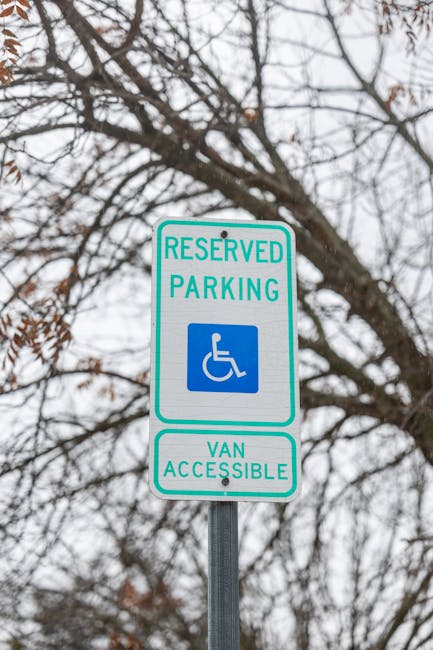
Parking and loading rules Harringay what movers must know
Moving in Harringay looks simple on paper. Park the van, load the boxes, and go. In real life, though, parking and loading can be the bit that throws everything off. A blocked kerb, a tight street, a bay you can't use, or a rush-hour delay can turn a smooth move into a long, awkward day. That is why understanding Parking and loading rules Harringay what movers must know matters before the first box leaves the hall.
If you are arranging a house move, a flat clearance, an office relocation, or even a quick furniture pickup, the way the vehicle is positioned can affect timing, safety, cost, and compliance. This guide breaks the topic down in plain English, with practical steps, common mistakes, and real-world tips that help movers avoid stress. Truth be told, a little planning here saves a lot of faffing later.
Quick expert summary: In Harringay, the smartest moves are the ones planned around where the van can safely stop, how long loading will take, and whether any local restrictions or access issues apply. Always check the street, confirm the loading point, and build in a buffer. It sounds basic. It isn't always basic on the day.
Table of Contents
- Why Parking and loading rules Harringay what movers must know Matters
- How Parking and loading rules Harringay what movers must know Works
- Key Benefits and Practical Advantages
- Who This Is For and When It Makes Sense
- Step-by-Step Guidance
- Expert Tips for Better Results
- Common Mistakes to Avoid
- Tools, Resources and Recommendations
- Law, Compliance, Standards, or Best Practice
- Options, Methods, or Comparison Table
- Case Study or Real-World Example
- Practical Checklist
- Conclusion
- Frequently Asked Questions
Why Parking and loading rules Harringay what movers must know Matters
Parking and loading is not just an admin detail. It shapes the entire move. In a busy London area like Harringay, one poor parking decision can cause knock-on problems: longer carrying distances, extra labour, blocked access for neighbours, or a van that has to keep circling while everyone stands about waiting. Nobody enjoys that, especially when there is a sofa wedged in a doorway and the kettle is already packed.
The reason this matters so much is simple: moving work depends on access. Even a well-organised team cannot work efficiently if the vehicle is too far away, parked illegally, or unable to stop where the load-out needs to happen. For anyone using man and van services or arranging a full-scale removal, the parking plan is part of the job, not an afterthought.
There is also a trust and safety angle. Safe parking reduces the risk of trips, drops, damage to furniture, and congestion around the doorway. A clear loading point makes life easier for residents, neighbours, and your movers. That matters whether you are moving a studio flat, a family house, or arranging office removals with people still working nearby.
And if you are moving on a weekday morning? Let's face it, that is when streets feel smallest.
How Parking and loading rules Harringay what movers must know Works
In practical terms, parking and loading rules are about where a vehicle may stop, how long it may remain there, and whether the stop is for active loading or just waiting. Movers generally need to think about three things at the same time: the space itself, the timing, and the type of activity taking place.
1. The space
Look at whether the van can safely stop close to the property without blocking traffic, crossings, driveways, or cycle access. Narrow residential roads, permit bays, and controlled zones can all affect where a vehicle can sit. In Harringay, many streets are close-knit and busy enough that a badly positioned van creates instant friction.
2. The timing
Some locations are more restrictive at certain times of day. Even where short loading is possible, timing can matter. Early morning may be calmer. School-run hours and peak commuter periods are usually trickier. A move that looks straightforward at 10am can be a different beast at 8am.
3. The activity
Loading and unloading are not the same as leaving a vehicle parked for convenience. Movers should always know whether the stop is genuinely for active loading and whether someone is ready to keep the process moving. If the van is left standing while everyone searches for keys, the whole logic of loading space falls apart. Simple, but easy to miss.
Good movers usually treat the parking plan as part of the move survey. For larger jobs, such as home moves, flat removals, or a heavier job using a moving truck, the access plan should be discussed before moving day, not while the team is carrying a wardrobe through the rain.
Key Benefits and Practical Advantages
Getting parking and loading right has more value than most people expect. The benefits are not abstract; they show up in time saved, fewer mistakes, and less pressure all round.
- Faster loading and unloading: the closer the vehicle, the less time spent walking back and forth.
- Lower risk of damage: shorter carry distances usually mean fewer bumps, scrapes, and awkward corners.
- Better safety: fewer trips across busy roads or footpaths, and less need to carry heavy items over a long distance.
- Smoother neighbour relations: less blocking, less noise from repeated repositioning, and fewer complaints.
- More accurate scheduling: when access is realistic, arrival and finish times are easier to predict.
- Less stress on the day: honestly, that part is worth a lot.
There is also a financial upside. Even where there is no formal penalty, poor parking can increase labour time and create delays that ripple through the rest of the booking. If you are comparing providers, this is one reason to look beyond the headline price and check how access is handled in the quote process. A transparent quote from pricing and quotes should reflect realistic access, not wishful thinking.
For bigger or more layered jobs, the right parking setup can also make it easier to use extra services such as packing and boxes or packing and unpacking services, because teams can work in a cleaner, more ordered rhythm.
Who This Is For and When It Makes Sense
This topic matters to almost anyone moving in or out of Harringay, but it becomes especially important in a few situations.
- Flat movers: flats often mean stairwells, shared entrances, limited frontage, or no private driveway. Small parking errors can create big delays.
- House movers: larger family moves usually involve more items, more time, and a greater need for a clear loading point. See also house removals and house removalists.
- Students: student accommodation often sits on busier roads or near tight residential parking. Short notice and tight timing are common. Student removals often need extra planning.
- Office moves: business relocations need reliable access because colleagues, deliveries, and opening hours can all be affected. That is where commercial moves and office relocation services become relevant.
- One-off pickups: furniture collection, single-item moves, or a piano move can still be awkward if the van cannot get close enough. See furniture removals and piano removals.
It also makes sense whenever you are dealing with narrow roads, permit-style parking, time-sensitive access, or a property where stairs and distance already make the move harder. In those cases, parking is not just logistics. It is part of the service design.
Step-by-Step Guidance
Here is a practical way to plan loading access in Harringay without overcomplicating it.
- Identify the exact loading point. Don't just think of the street name. Look at the actual frontage, entrance, gates, and any turn-in space.
- Check whether the van can stop safely. Consider road width, sight lines, and whether the vehicle would block another property or traffic lane.
- Estimate how long loading will take. A short stop for a few bags is very different from a full household move with furniture and white goods.
- Consider the vehicle size. A smaller removal van may fit where a larger truck would struggle. That matters more than people think.
- Work out if help is needed. If the move is awkward, choose a team or vehicle that matches the access. Sometimes the best answer is not bigger, but smarter.
- Prepare the property. Keep the route clear, unlock doors, protect floors, and make sure items are ready to go.
- Build in buffer time. Parking is rarely the only variable. Lift access, neighbour traffic, and last-minute packing all have a way of showing up.
- Confirm the plan with the mover. Share any known restrictions, tight corners, or awkward entry points before moving day.
A small practical note: if there is a choice between carrying boxes from the wrong side of the street or spending five extra minutes confirming the loading side, take the five minutes. Every time.
What to say when you book
Be specific. Tell the mover whether the property is on a busy road, whether there is a bay directly outside, whether access is shared, and whether parking is usually tight at the time you need. If you are booking a same day removals service, that information becomes even more important because there is less room for adjustment.
Expert Tips for Better Results
In our experience, the best loading plans are the boring ones. Not glamorous. Just solid. Here are the details that make the difference.
- Arrive with a loading-first mindset. The stop should make the carrying route as short as possible, not simply the nearest legal space you can find.
- Protect the path before the boxes move. A narrow hallway, wet pavement, or soft flooring can become slippery fast.
- Use a second pair of eyes. One person watching traffic while another carries reduces mistakes. It's basic teamwork, but it works.
- Keep essentials accessible. Keys, booking info, and any parking notes should not be buried in a box labelled "miscellaneous." We all know what that means in practice.
- Match the vehicle to the job. The right-sized vehicle often beats a larger one, especially on tighter Harringay streets.
- Plan for the return trip too. Loading out is only half the story. Unloading at the new address should be considered at the same time.
If you are moving items into storage, the parking picture can be a little easier because the unloading side is often more controlled. That said, the departure side still needs to work, particularly if you are using storage as a temporary stop between homes.
And a small reality check: if a plan feels a bit too optimistic, it probably is. That's not pessimism. That's experience talking.
Common Mistakes to Avoid
Most parking and loading problems come from the same handful of mistakes. Fortunately, they are avoidable.
- Assuming the nearest space is fine: legal, safe, and practical are not always the same thing.
- Forgetting about time restrictions: a loading point that works at 9am may not be suitable at 5pm.
- Not telling the mover about tight access: this is a big one. If you hide the awkward bit, the awkward bit still shows up.
- Underestimating how long loading takes: one wardrobe, one fridge, and a stack of boxes can eat time quickly.
- Leaving residents or neighbours in the dark: a quick heads-up can prevent a confrontation over a blocked entrance.
- Choosing the wrong vehicle: too big and you can't stop easily; too small and you end up doing extra trips.
- Assuming everything is fine because it's "just a short stop": short stops still need planning, especially in busier streets.
People often focus on the packing and forget the van. That's understandable, but it's a little like polishing a suitcase and then discovering the wheel has fallen off.
Tools, Resources and Recommendations
You do not need a bag full of special equipment to get parking and loading right. You do, however, need a few practical aids and habits.
| Tool or resource | Why it helps | Best use case |
|---|---|---|
| Move plan or access notes | Keeps everyone aligned on where the van should stop and how access works | Any move with tight street access or shared entrances |
| Measuring tape | Useful for checking furniture clearance, gate widths, and awkward turns | Large furniture, pianos, and narrow hallways |
| Floor protection | Reduces damage and helps with wet or dirty weather | Ground-floor and staircase-heavy moves |
| Labels and room lists | Speeds up unloading and reduces confusion at the new address | Family moves, flats, and office relocations |
| Booking notes | Helps the mover prepare for loading space, vehicle size, and timing | All moves, especially short-notice jobs |
If you are comparing providers, look at the broader service picture as well. A reliable company should be comfortable discussing access, insurance, handling, and timing. Pages like insurance and safety and health and safety policy can give you a sense of how carefully they work.
For people planning a bigger domestic move, it can also help to look at removals or home moves so you can judge the level of support needed. The point is not to overbuy services. It is to match the moving plan to the reality of the street.
Law, Compliance, Standards, or Best Practice
Parking and loading is one of those everyday moving issues where legality, best practice, and common sense overlap. The exact rules can vary by street and by the type of restriction in place, so it is wise to treat any local loading arrangement carefully rather than assuming it will be fine because "it's only ten minutes."
In the UK, movers should respect road signs, kerb markings, permit controls, and safe loading practices. That includes avoiding obstruction, keeping access clear, and not creating risk for pedestrians, cyclists, or other road users. If a move involves heavier items, shared entrances, or commercial access, the duty to plan properly becomes even more important.
Best practice is straightforward:
- Do not park where the vehicle creates danger or obstruction.
- Keep loading as efficient and brief as the job allows.
- Use a vehicle that suits the street and the property.
- Plan for safety at the kerbside as well as inside the property.
- Do not assume informal permission from a neighbour is enough if the space is restricted.
For businesses, the standard is usually higher because time windows, public access, and operational continuity matter. That is why commercial moves and office removals need a more detailed access plan than a simple domestic pickup.
When in doubt, the safe approach is usually the right one. A few extra minutes checking the loading position is far better than a complaint, a fine, or a damaged cabinet. Simple, but true.
Options, Methods, or Comparison Table
Different moves call for different parking and loading approaches. Here is a practical comparison.
| Method | Best for | Pros | Trade-offs |
|---|---|---|---|
| Kerbside loading | Short domestic moves with clear access | Fast, direct, efficient | Can be limited by traffic, bays, or local restrictions |
| Long-carry loading | Properties with no nearby stopping point | Possible even on awkward streets | Slower, more labour, more physical effort |
| Smaller vehicle approach | Narrow streets and tighter access | More flexible, easier to position | May need more trips if the load is large |
| Timed loading window | Busy roads or shared access locations | Can reduce conflict and improve flow | Requires better scheduling discipline |
| Pre-planned move survey | Large, fragile, or complex moves | Most reliable and least guesswork | Takes more preparation before the day |
There is no single winner. The best choice depends on the road, the property, and the volume of goods. A tiny studio move and a full family relocation are not the same animal at all. If you need flexibility, a service such as man with van may suit compact jobs, while heavier or bulkier loads may call for removal truck hire.
Case Study or Real-World Example
A recent Harringay move involved a first-floor flat on a busy residential street. The occupants had packed well, but the van was originally planned for the wrong side of the road. That would have meant a longer carry, extra turns at the front door, and much more time spent crossing the pavement with boxed kitchenware. Not ideal.
Before the move began, the access plan was adjusted. The team identified a better loading point closer to the entrance, confirmed the vehicle would fit safely, and kept the carry route clear. The difference was noticeable almost immediately. Fewer pauses. Less back-and-forth. No awkward "hang on, where are we putting this?" moment at the threshold.
The move still took effort, of course. It always does. But the parking decision removed the little delays that usually stack up and make everyone tired by lunchtime. The customer got a calmer experience, and the movers avoided a lot of unnecessary footwork. That is the whole point.
For jobs like this, flat removals and carefully planned access are often the difference between a tidy move and a messy one.
Practical Checklist
Use this checklist the day before and again on the morning of the move. It's not fancy, but it helps.
- Confirm the loading address and the exact entrance to use.
- Check where the van can safely stop without blocking access.
- Ask whether there are parking restrictions or permit controls nearby.
- Make sure the mover knows about narrow roads, gates, or steps.
- Keep boxes ready and grouped near the exit where possible.
- Protect floors and vulnerable corners before heavy items start moving.
- Reserve keys, paperwork, and phone numbers in an easy-to-reach place.
- Tell neighbours if the van may briefly affect access.
- Allow time for loading delays, especially on busy streets.
- Have a backup plan if the first loading spot is unavailable.
If the move includes awkward furniture or specialist handling, make sure that is discussed too. Jobs involving delicate items often benefit from the right support, whether that is furniture pick up, furniture removals, or a specialist move such as piano removals.
Conclusion
Parking and loading rules in Harringay are not the glamorous part of moving, but they are often the part that decides whether the day feels controlled or chaotic. When you know where the vehicle can stop, how long the loading is likely to take, and what restrictions or access issues may apply, everything else becomes easier. That is the real win.
For movers, the smartest approach is to treat parking as part of the move plan from the start. Keep it practical, keep it safe, and keep it honest. If the street is tight, say so. If the lift is slow, mention it. If the parking looks awkward, plan for it rather than hoping it will sort itself out. It usually doesn't.
When the access plan is right, the rest of the move has room to breathe. And that makes a bigger difference than people expect, especially on a busy London morning.
Get a free quote today and see how much you can save.
Frequently Asked Questions
Do movers in Harringay need special parking arrangements?
Sometimes, yes. It depends on the street, the time of day, and the type of loading needed. Even when no formal arrangement is required, movers still need a safe and practical stopping point close to the property.
What is the biggest parking mistake people make on moving day?
Assuming the closest space will be fine. A space can look convenient but still be unsuitable because of restrictions, traffic flow, or the distance to the entrance.
How early should I plan loading access for a move in Harringay?
Ideally, as soon as the move date is fixed. The earlier you think about access, the easier it is to choose the right vehicle, timing, and loading point.
Is a smaller van better for Harringay streets?
Not always, but often it is more flexible on tighter roads. A smaller vehicle can be easier to position and may reduce the risk of having to park too far away.
What if the van cannot park directly outside?
Then the move can still go ahead, but the carry distance may be longer. That usually means slower loading, more effort, and a greater need to keep the route clear and safe.
Do office moves need the same parking planning as house moves?
They usually need even more planning because office moves often involve time windows, shared entrances, staff movement, and business continuity. Office relocation services should always consider access carefully.
How do I know if my move will need a large vehicle?
Think about the volume of furniture, the size of heavier items, and whether you want to reduce the number of trips. If in doubt, discuss the job with the mover and explain the property access.
Can loading rules affect the cost of a move?
Yes, they can. Difficult access, long carry distances, or extra time spent repositioning the vehicle can all affect labour time and the overall quote.
Should I tell the mover about parking problems before the day?
Absolutely. The more honest the access information is, the better the move can be planned. That is one of the simplest ways to avoid delays.
Are same-day moves harder from a parking point of view?
They can be, because there is less time to plan the access. If you need a quick turnaround, share as much detail as possible when booking same day removals.
What should I do if neighbours need access past the van?
Keep a clear path where possible and be ready to shift the vehicle or pause loading briefly. A bit of courtesy goes a long way, and it helps the day stay calm.
Where can I read more about safety and trust before booking?
It helps to check the company's approach to handling, insurance, and working practices. Pages such as about us and insurance and safety are useful places to start.